


Data from the National Bureau of Statistics – NBS on September 15, 2026, showed that the economy of China broadly stayed steady in August 2026, with growth being increasingly fuelled by high-tech manufacturing and services as well as foreign trade.
It is well to be noted that the industrial production increased during the month. Industrial output value-added increased 5.2% on a year-on-year basis, up 0.7 percentage points from July 2026. Equipment manufacturing grew 12.1%, and high-tech manufacturing increased by 16.7%.
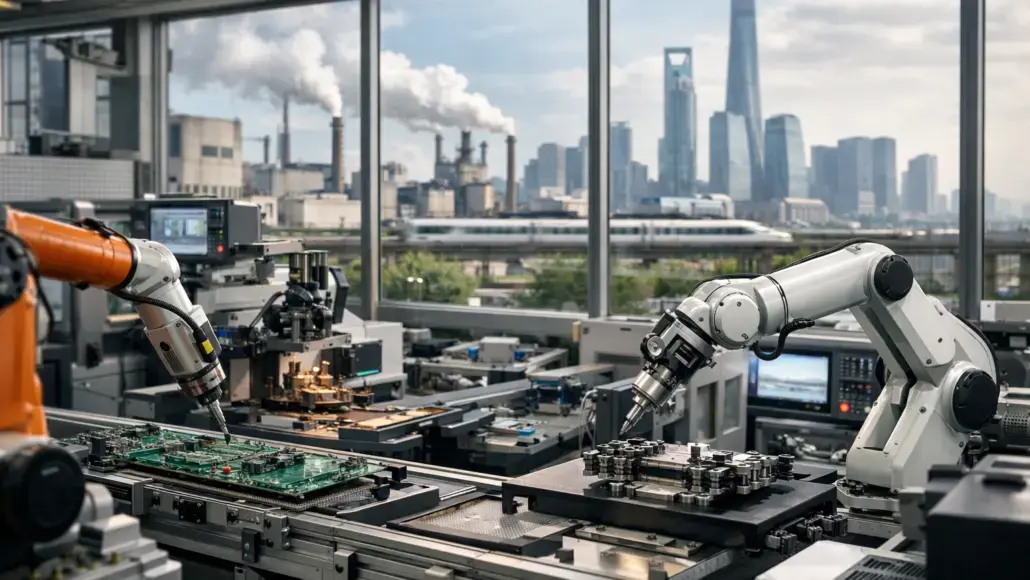
Apparently, the new growth drivers continued to shine. Production of lithium-ion batteries jumped 57.2% year on year, and industrial robot and 3D-printing equipment growth rose 34.6% and 29.9%, respectively.
Furthermore, the services sector continued its steady growth. The national services production index was up 4.1% year on year in August 2026. The information transmission, software and IT services sector grew by 9.6%, and leasing and business services by 9.0%. Transport, storage and postal services rose 4.8%.
Another big bright spot was foreign trade. The total goods imports and exports of China rose 19.8% year on year to 4.65 trillion yuan, or $647 billion, in August 2026. Imports climbed 21.7% and exports rose 18.6%. Total goods trade rose 17.6% in the first 8 months of the year, with exports of mechanical and electrical products up 21.9%.
Domestic consumption was growing more slowly. In August, the total retail sales of consumer goods amounted to 3.98 trillion yuan, up 0.4% year-on-year. Combined sales of goods and services by retailers climbed 2.5% from January to August. Sales of service retail climbed 4.9%. Sales of on-line services grew by 5.1%.
Investment remained under pressure, but high-tech sectors continued to draw in capital. Fixed-asset investment, excluding investment from rural households, fell by 7.2% in the first 8 months of the year. By comparison, investment in high-tech industries rose 5.2%. Investment in information services increased 22.7%; when it came to aerospace and aircraft equipment manufacturing, it rose to 14.9%, and in electronic and communications equipment manufacturing 6.9%.
Overall, the economy was stable, the NBS said, but its growth structure was changing, with high-tech manufacturing, digital services and foreign trade becoming more important drivers of growth.