


The U.S. Department of Energy – DOE has unveiled a new national consortium to accelerate domestic battery manufacturing. The effort could help solve a significant challenge for the U.S. drone industry, namely developing a dependable and highly competitive domestic battery supply chain.
On Oct. 28, 2026, the Battery Manufacturing Accelerator – BattMan was announced, which is a combination of four national laboratories and five universities. The effort will be led by the Pacific Northwest National Laboratory and will look for industry collaborators.
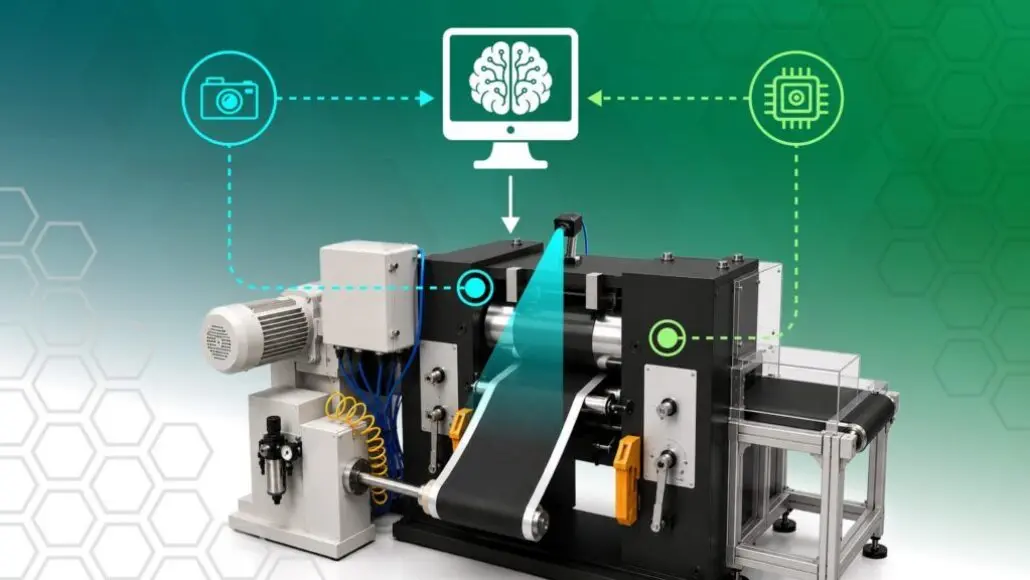
The consortium will employ AI and advanced sensors as well as automated manufacturing systems to minimize manufacturing costs and enhance battery quality. Its work will underpin batteries for drones, transportation, and energy storage, along with defence.
Advancements in Battery Manufacturing and Waste Reduction
A priority of the initiative is to minimize waste in the manufacturing of battery electrodes.
Oak Ridge National Laboratory says that making the electrodes can produce scrap rates as high as 40%. Researchers want to lower that to under 5% by means of enhanced surveillance and automated process control.
The technology would enable manufacturing equipment to sense problems and make immediate adjustments in production operations. This could minimize waste, make products more consistent, and lower the cost of making battery cells.
Some of the research will take place at the Battery Manufacturing Facility of Oak Ridge National Laboratory in Tennessee.
The consortium will look at domestic battery manufacturing processes for both traditional lithium-ion batteries as well as next-generation battery technologies. Its objective is to help advance new technologies right from laboratory development to commercial production.
Creating a Domestic Drone Battery Supply Chain
The statement comes as the U.S. government and private sector work to reduce reliance when it comes to imported drone components.
It is well to be noted that the battery cells are still a big problem. U.S. companies are developing advanced battery technologies, but there is insufficient domestic production capacity. Producers also have to be competitive on quality, price, and scale compared with well-known overseas suppliers.
Interestingly, the federal government and private investors have recently invested in expanding U.S. battery production.
In September 2026, DRONELIFE reported that Amprius Technologies had received around $75 million in funding to help build domestic drone battery production. The planned production line would have capacity for a maximum of 12 million battery cells a year.
Badland Batteries opened a manufacturing plant in Fargo, North Dakota, in October 2026 to make battery cells for defence systems and drones.
BattMan tackles a similar challenge – enhancing the manufacturing processes necessary to make domestic battery production high-quality and commercially viable.
The consortium did not say when commercial production might start, or name any specific drone makers as partners. But its research could help efforts to boost U.S. battery-making capacity and reduce dependence on foreign suppliers.